When You Need Urgent Rubbish Clearance in Marylebone
Posted on 10/11/2026
If you suddenly find yourself staring at a hallway full of black bags, a builder's pile blocking the entrance, or the aftermath of a last-minute move, you are not alone. When You Need Urgent Rubbish Clearance in Marylebone, the pressure is usually about more than mess. It can affect access, safety, neighbours, timing, and frankly your headspace too. In a busy part of central London, a cluttered flat, office, or shared property can turn into a real headache fast.
This guide explains what urgent rubbish clearance actually involves, when it makes sense, how the process works, and what to watch out for. You'll also find practical tips, a comparison of common options, a realistic example, and a checklist you can use straight away. If you are trying to deal with waste quickly and sensibly, this is the calm, no-nonsense version.

Why Urgent Rubbish Clearance in Marylebone Matters
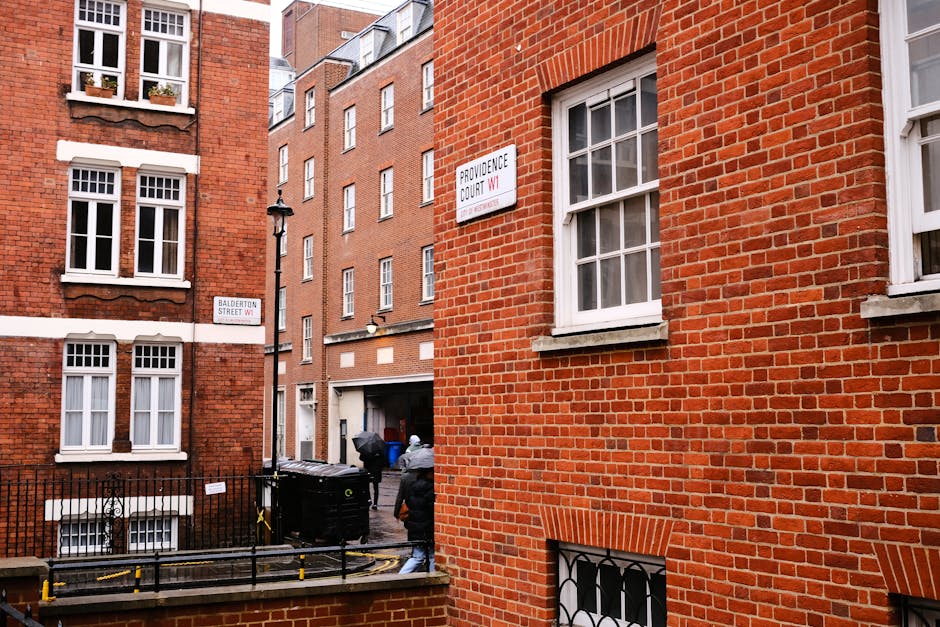
Marylebone has its own rhythm. Streets are tight, parking is limited, and properties often sit in converted buildings, managed blocks, or commercial units where waste can get in the way quickly. Urgent clearance matters because rubbish is rarely just an eyesore. It can block access routes, create trip hazards, attract pests, slow down trades, and make a property look neglected at exactly the wrong time.
In real life, urgency usually comes from a deadline. A tenancy is ending. A landlord wants the property ready for viewings. A shop or office needs space cleared before opening hours. A builder has left waste behind and the next phase cannot start until it's gone. Or a family is dealing with a house clearance that cannot wait until next week. You know the type of situation: everything is fine until suddenly it isn't.
There is also a reputational side to this in Marylebone. Whether it's a residential street near high-end homes, a busy office near transport links, or a venue getting ready for an event, a tidy exterior and clear access matter. If waste is left visible, it can create the wrong impression in seconds. That's why fast action is often the sensible move rather than a luxury.
For readers who want a broader view of available services, the services overview is a useful starting point. It helps you see where urgent rubbish removal fits alongside house, office, garden, and builders' waste work.
How Urgent Rubbish Clearance in Marylebone Works
The process is usually simpler than people expect. A good local team will try to reduce friction, because urgency only gets worse when the service itself is clunky. In most cases, the sequence is: enquiry, quick assessment, quote, arrival, loading, sweeping up, and responsible disposal.
Here's what typically happens:
- You describe the waste. This may be mixed household rubbish, furniture, bagged waste, builders' debris, garden cuttings, or office contents.
- The provider asks a few key questions. Size, access, floor level, parking constraints, and whether the items are heavy or awkward all matter.
- You receive a quote or estimate. Many services can give a fast price range based on photos or a brief call.
- A collection time is arranged. With urgent jobs, this may be same-day or next-day depending on availability.
- The team removes the waste. Reusable items, recyclable materials, and general rubbish are usually separated where possible.
- The area is left tidy. A proper clearance should not end with bits of plaster, broken packaging, or a swept-under-the-rug finish. That would be a bit cheeky, really.
In practice, the biggest time-savers are good access information and honest photos. If the team knows there is a basement staircase, no lift, or a narrow mews entrance, they can prepare properly. That avoids the awkward "oh, we didn't realise" moment on the day. Nobody wants that.
If your job is more specific, such as a property emptying or a business reset, pages like house clearance in Marylebone and office clearance in Marylebone explain how those services differ from a straightforward rubbish collection.
Key Benefits and Practical Advantages
The obvious benefit is speed. But urgent rubbish clearance offers a few other practical advantages that are easy to overlook when you're stressed and just want the pile gone.
- Less disruption: Fast removal means your home, office, or site can get back to normal sooner.
- Safer access: Clear walkways reduce trip hazards, blocked exits, and awkward lifting around clutter.
- Better presentation: This matters if you are selling, letting, hosting, or welcoming clients.
- More flexibility: Same-day or rapid-response collection can work around moving dates, trades schedules, or estate agent visits.
- Responsible disposal: A reputable team should sort waste appropriately and look for recycling opportunities where possible.
There's also an emotional benefit, and it's not trivial. A cluttered room can make everything feel heavier. Once the rubbish is out, the space tends to feel calmer almost immediately. Light comes back in. You can see the floor again. It sounds simple, but it changes how a place feels.
For sustainability-minded readers, it is worth checking how a company handles sorting and recycling. The recycling and sustainability page explains the general approach to reducing landfill where practical, which is especially useful if you care about disposal methods as much as speed.
Who This Is For and When It Makes Sense
Urgent clearance is not just for dramatic situations. In fact, the most common calls are often quite ordinary, just time-sensitive. If the waste is stopping you from using a space properly, there is a strong case for acting quickly.
This service makes sense for:
- Homeowners and tenants dealing with end-of-tenancy rubbish, moving day clutter, or bulky items left behind.
- Landlords and letting agents who need a property cleared before cleaning, photos, or new occupants.
- Estate agents and sellers preparing a property for viewings or completion.
- Office managers handling unwanted furniture, archiving waste, or post-refit debris.
- Tradespeople and contractors who need builders' waste cleared so work can continue.
- Hosts and venue organisers who need a space reset after an event.
Marylebone has a lot of properties where timing matters: elegant flats, busy offices, short-turnaround lets, and homes where access is limited. That's why local knowledge counts. If you want a bit more context about the area itself, the article local advice on whether Marylebone is a good neighbourhood gives helpful background on the character of the area.
And if your issue is more location-specific, such as getting waste cleared quickly near a main street or busy thoroughfare, the guide to same-day rubbish removal on Marylebone High Street is especially relevant.
Step-by-Step Guidance
If you want the fastest, least stressful result, a little preparation goes a long way. Here is the practical way to handle it.
- Identify what needs to go. Separate general rubbish from furniture, garden waste, builders' debris, and anything that might need special handling.
- Take clear photos. Include the full pile, access points, stairs, and any bulky items. Two or three good photos often save a lot of back-and-forth.
- Measure the awkward bits. Large wardrobes, broken desks, mattresses, and appliances are where people tend to underestimate the job.
- Check access and parking. In Marylebone, this can be the difference between a quick clearance and a slow one. Be honest about lifts, entry codes, loading space, and timings.
- Ask for a clear quote. A good quote should explain what is included, whether labour and disposal are covered, and whether there may be any extra charge for difficult access.
- Confirm what happens on the day. Ask about arrival window, how many operatives are attending, and whether the team can handle heavy lifting.
- Prepare the area. Keep walkways clear where possible, protect delicate items you want to keep, and make sure the team can get to the waste quickly.
If the job is part of a broader property project, this is also a good moment to check related services. For example, if you are clearing after renovation work, you may need builders' waste disposal in Marylebone. If the job includes outdoor debris, garden waste removal in Marylebone is a better fit than general household collection.
Small aside, but it matters: if you can clear one pathway before the team arrives, do it. Just one. It speeds everything up more than people expect.
Expert Tips for Better Results
After plenty of waste jobs, one thing becomes very clear: the best outcomes usually come from good information and realistic expectations. Not perfection. Just clarity.
- Send photos before you ask for a price. It avoids vague estimates and keeps the quote closer to reality.
- Be specific about the waste type. "A bit of rubbish" could mean ten bags or a living room full of mixed items. Those are very different jobs.
- Tell the provider about access hurdles early. Narrow staircases, parking restrictions, and timed entry all affect the schedule.
- Group similar items together. It can make loading more efficient and sometimes reduce the time spent on site.
- Decide what stays before collection day. Once the clearance starts, decisions tend to get rushed. That never ends well.
- Ask about recycling and donation routes. Reusable items may be separated where appropriate rather than thrown away with general waste.
There is one more tip that sounds obvious but is often forgotten: if you are working to a deadline, say so. A move-out, exchange date, office reopening, or end-of-tenancy inspection changes the urgency level. A decent provider can only help properly if they know the real pressure point.
For anyone comparing services, the pricing and quotes page is useful because it helps set expectations around how estimates are typically handled. That can save a lot of uncertainty. And to be fair, nobody enjoys mystery pricing.
Common Mistakes to Avoid
Urgency makes people rush. That's normal. But a few avoidable mistakes can slow the whole job down or create extra cost.
- Hiding items behind the main pile. If there is more waste than you mentioned, the team may need to revisit the quote.
- Assuming everything is standard rubbish. Some items need careful handling, especially electricals, sharp materials, or anything contaminated.
- Ignoring access restrictions. This is one of the biggest reasons urgent jobs take longer than expected.
- Leaving the final sort until collection time. It becomes stressful and slows the job right when you want things moving.
- Choosing purely on speed. Fast is good. Fast and vague is not.
Another common slip is not checking whether the company is set up to operate safely and responsibly. You do not need a lecture on this, but you do need confidence. If someone is carrying heavy items through tight communal areas, you want them to be insured, careful, and organised. More on that below.
Tools, Resources and Recommendations
You do not need much to prepare for urgent rubbish clearance, which is the good news. A phone, a few photos, and a rough idea of what you want removed will cover most of the job. Still, a few small tools help:
- Phone camera: Take clear, well-lit photos from a couple of angles.
- Tape measure: Handy for bulky furniture or awkward appliances.
- Labels or sticky notes: Useful if some items should stay and others should go.
- Bin bags or boxes: Good for separating loose waste before the team arrives.
- Access notes: Gate codes, concierge details, floor numbers, and parking instructions.
Useful supporting pages on this site include rubbish collection in Marylebone for general collection needs and waste removal in Marylebone for broader disposal options. If you are still weighing up whether to book now or later, the about us page can help you understand the company background and approach.
For a practical recommendation, keep a short note on your phone with the key facts: what needs removing, how quickly, where it is, and how the team gets in. That little note can save ten minutes of confused messages. Sometimes more.
Law, Compliance, Standards, or Best Practice
When rubbish has to be removed quickly, compliance still matters. Speed should never mean cutting corners. In the UK, waste carriers should handle waste responsibly, and householders or businesses should avoid handing rubbish to anyone who cannot show they are legitimate. You do not need to become an expert in waste legislation overnight, but you should expect proper handling, lawful disposal, and a professional approach.
Best practice usually includes:
- Correct segregation: Separating recyclable materials where practical.
- Safe lifting and loading: Especially for heavy or awkward items.
- Careful disposal routes: Using appropriate facilities rather than dumping waste elsewhere.
- Insurance and safety awareness: Particularly important in shared buildings, tight access points, and commercial settings.
If your job involves fragile communal spaces, stairs, or expensive flooring, it is sensible to ask how the team protects the property during removal. That may include basic care around walls, lifts, and entrance areas. The insurance and safety page is a good reference if you want to understand the site's approach to safe working.
Privacy and secure payments matter too, especially if you are booking quickly online or by phone. If that reassurance helps, the pages on payment and security and privacy policy provide the basic protections and expectations in plain language. And yes, it's completely reasonable to check those before you commit.
Options, Methods, or Comparison Table
Not every urgent waste problem needs the same solution. Sometimes a collection is enough. Sometimes a full clearance is better. And sometimes the real question is whether the job can be done today or whether a scheduled visit would be smarter. Here's a simple comparison.
| Option | Best for | Strengths | Limitations |
|---|---|---|---|
| Urgent rubbish collection | Loose bags, mixed household waste, quick tidy-ups | Fast, straightforward, usually ideal for smaller jobs | May not suit large furniture or heavy clearances |
| House clearance | Whole rooms, entire flats, probate or moving-related clear-outs | More comprehensive and organised | Needs more planning if the property is large |
| Office clearance | Desks, chairs, filing, equipment, end-of-lease office resets | Useful for business continuity and presentation | May require access coordination and out-of-hours timing |
| Builders' waste disposal | Renovation debris, rubble, packaging, site waste | Best suited to trade and project work | Often heavier and more access-sensitive |
| Garden waste removal | Green waste, branches, soil, cuttings | Cleaner solution than mixing with general rubbish | Not ideal for mixed household clutter |
In plain terms: if the waste is mainly bags and small items, collection may be enough. If the place needs stripping back properly, a clearance service is often the better fit. If you are unsure, choose the more specific service rather than trying to force everything into one label. That usually gets you a better quote and a smoother outcome.
Case Study or Real-World Example
Here's a realistic example. A Marylebone landlord needs a one-bedroom flat ready for cleaners and photography the next morning. The departing tenant has left several bags, a broken chair, a mattress, and some scattered kitchen items. Nothing dramatic, but enough to delay the next steps if it is not cleared quickly.
The sensible move is to send photos of each room, confirm the floor level, mention that access is via a shared hallway, and ask for a same-day or next-day collection window. Once the team arrives, they remove the waste in one visit, sweep up the remaining debris, and leave the property ready for the cleaner. The landlord avoids losing another day, and the letting process stays on track.
What made the difference? Not magic. Just clear communication, a realistic scope, and the right type of service. In a busy area like Marylebone, that practical approach often matters more than people think. A tiny delay can ripple outward into viewings, contractor slots, and awkward emails. Best to stop the wobble early.
Practical Checklist
Use this before you book or before the team arrives.
- Photograph the waste from more than one angle.
- List any heavy, bulky, or awkward items separately.
- Note the floor level, lift access, and entry details.
- Check whether parking or loading restrictions apply.
- Say if the job is urgent and give the deadline.
- Tell the provider whether the waste is household, office, builders', or garden waste.
- Move valuables and items you want to keep out of the way.
- Ask what happens with recycling and reusable items.
- Confirm the quote, timing, and any possible extra charges.
- Make sure someone is available to grant access if needed.
Practical summary: the best urgent clearances are the ones that are prepared, honest, and specific. If you can explain the waste clearly, the rest tends to move faster and with fewer surprises.
Conclusion
When you need fast rubbish removal, the goal is not just to make clutter disappear. It is to restore access, reduce stress, and get your property or workspace back under control without wasting time. In Marylebone, where properties can be busy, compact, and deadline-driven, that matters a lot.
The smartest approach is usually simple: know what needs clearing, share clear photos, mention access issues early, and choose a service that can act quickly without being careless. Whether you are dealing with a house move, an office reset, builders' debris, or a last-minute cleanup, the right help can make a difficult day much easier.
If you want to keep things moving, review the relevant service pages, check the quote process, and make the first step small and clear. That is often enough to turn a stressful mess into a manageable job.
Get a free quote today and see how much you can save.
And if today feels a bit overwhelming, that's alright. One good clearance can change the feel of a place more than you might expect.

Copyright © . House Clearance Marylebone. All Rights Reserved.