Dealing with Bulky Waste in W1: Sofa & Fridge Disposal Tips
Posted on 02/06/2026
Dealing with Bulky Waste in W1: Sofa & Fridge Disposal Tips
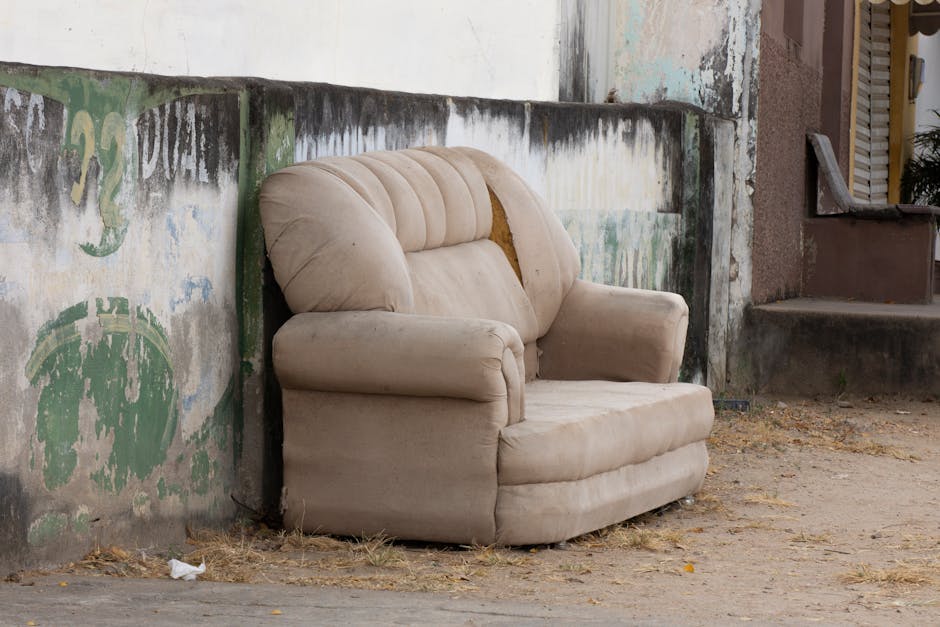
If you are dealing with bulky waste in W1, the last thing you want is a sofa blocking a hallway or a fridge taking up half the kitchen while you try to figure out what to do next. It happens more often than people admit. A new flat arrives, a tenancy ends, a landlord wants rooms cleared, or an appliance finally gives up with that small electrical hum that always seems to become a big problem at the worst possible time. This guide walks you through Dealing with Bulky Waste in W1: Sofa & Fridge Disposal Tips in a practical, sensible way, so you can make the right call without the usual faff.
We will cover how bulky items are typically handled in central London, what to check before lifting anything, how to avoid common disposal mistakes, and when it makes more sense to use a professional team. You will also find a checklist, a comparison table, and a real-world example so you can move from "I need this gone" to "done" with a bit less stress.
Why Dealing with Bulky Waste in W1: Sofa & Fridge Disposal Tips Matters
Bulky waste is not like a sack of kitchen rubbish. A sofa, armchair, mattress, wardrobe, or fridge can be awkward to move, hard to store, and surprisingly easy to damage your walls, floors, or lift lobby while shifting it out. In W1, where buildings often have tight stairwells, busy streets, controlled access, and residents coming and going all day, that extra difficulty matters even more.
There is also the question of responsibility. Large items are not something you should simply leave in a communal area "for now" and hope somebody else sorts out. That tends to become someone else's frustration very quickly. To be fair, most people know this already; what they need is a clear path from problem item to proper disposal.
Sofas and fridges deserve special attention because they are bulky in different ways. A sofa is often heavy, soft-sided, and can snag on corners. A fridge is rigid, heavy, and may contain components that need careful handling. If a fridge still contains food, shelving, ice trays, or residual fluids, it is no longer just bulky waste; it becomes a handling and hygiene issue as well.
For people living or working in central London, this matters for a few practical reasons:
- Space is limited in many W1 properties, so items build up fast.
- Access can be tricky with narrow hallways, staircases, and basement levels.
- Neighbourly consideration matters when shared entrances and bins are involved.
- Safety becomes a real concern when lifting heavy items without enough help.
- Compliance matters because improper disposal can lead to fly-tipping or service refusals.
If you are preparing for a move, a refurb, a tenant changeover, or a simple clear-out, taking bulky waste seriously saves time later. It also reduces the chance of a last-minute scramble on a wet Tuesday evening when the fridge is still in the kitchen and you realise the lift is out of order. London likes a dramatic little twist, apparently.
How Dealing with Bulky Waste in W1: Sofa & Fridge Disposal Tips Works
In practice, bulky waste disposal usually follows one of three routes: reuse, collection, or recycling/disposal. The right route depends on the item's condition, how quickly it needs to go, and how easy it is to remove from the property.
A sofa in decent condition may be suitable for reuse, donation, or resale if you have the time and the right channel. A fridge, by contrast, is more often treated as an appliance disposal job. Even if it still runs, older white goods can be difficult to pass on, especially if they are not energy efficient or have cosmetic wear. If you are unsure, the simplest test is this: would someone else genuinely want it, and can it be moved safely without adding more hassle than it is worth?
In W1, a lot of bulky waste work is about logistics. You need to think through the route from the room to the vehicle. That means doors, lifts, staircases, parking, loading time, and whether the item needs disassembly. It sounds obvious, but many disposal headaches start with one missed detail: the sofa fits the room, but not the turn at the landing. Classic.
Here is the usual process in plain English:
- Identify the item type and whether it contains any hazardous or awkward components.
- Check condition to decide whether reuse, recycling, or direct disposal makes sense.
- Measure access so you know if the item can come out in one piece.
- Prepare the item by emptying, unplugging, and disassembling where needed.
- Choose the disposal route based on time, cost, and convenience.
- Make sure it is handled responsibly with correct loading and downstream treatment.
For many households and businesses, a professional service becomes the easiest option when the item is too heavy, the access is awkward, or the deadline is tight. If your clear-out extends beyond one piece, it can make sense to look at broader support such as house clearance in Marylebone or wider waste removal in Marylebone rather than trying to battle each item separately.
Key Benefits and Practical Advantages
Done properly, bulky waste disposal is more than just a cleanup job. It gives you room back, reduces stress, and prevents the kind of clutter that quietly drags down a home or workspace. You notice it most in the first 24 hours after the item is gone. The hallway feels wider. The room looks brighter. You stop stepping sideways around that fridge door propped by the wall.
Some of the biggest practical benefits include:
- More usable space in flats, offices, and shared properties.
- Reduced safety risk from trip hazards and unstable furniture.
- Less handling stress for tenants, landlords, and property managers.
- Cleaner presentation for sales viewings, new lettings, and refurb work.
- Better organisation when old furniture or appliances are removed before new deliveries.
There is also a real efficiency gain. If you are moving out, replacing furniture, or clearing a property for sale, bulky waste removal can be bundled into a bigger plan. That can save multiple trips, avoid duplicate labour, and cut down the number of moving parts. It is often much easier to clear the sofa, fridge, and a few smaller leftovers at the same time than to treat them as separate little crises.
From a sustainability angle, the right disposal route can also improve recycling outcomes. Not every item can be reused, but many can be broken down and handled through a more responsible channel. If that matters to you, it is worth reading about the company's approach to recycling and sustainability before booking anything.
Who This Is For and When It Makes Sense
This kind of disposal advice is useful for anyone who has one or more large items sitting in the way and no easy plan for getting them out. In W1, that tends to include a fairly mixed group of people.
- Homeowners replacing old sofas or white goods.
- Tenants at the end of a tenancy who need to leave a property clear.
- Landlords and letting agents managing quick turnarounds between occupiers.
- Estate sellers clearing rooms before photographs or viewings.
- Office managers removing furniture or appliances from business premises.
- Developers and contractors coordinating waste during refurbishments.
It makes sense to use this guidance when you are deciding between DIY removal and professional collection. If the item is small enough to be safely moved, and you have help plus suitable transport, DIY can sometimes work. But once you hit stairs, no parking, time pressure, or a heavy appliance with awkward edges, the calculation changes fast.
A small real-world example: a resident in a top-floor flat in W1 may think, "It is only one fridge." Then they realise the lift is narrow, the staircase turns sharply at the second landing, and the fridge door cannot be removed easily because of age or damage. At that point the job stops being simple and becomes a mini-project. Not impossible, just annoying in a very specific London way.
Step-by-Step Guidance
If you want a smooth disposal process, follow a sequence rather than improvising on the day. A bit of planning saves a surprising amount of lifting.
1. Identify the item and its condition
Start with the basics. Is the sofa fabric, leather, modular, or corner-style? Is the fridge a standard under-counter unit, a tall fridge-freezer, or an integrated appliance? Does anything contain glass, loose parts, water, or food residue? These details matter because they change the handling method.
2. Measure access before you move anything
Check door widths, hall bends, stair turns, and lift size. If the item may not fit, measure it. People often skip this step and then spend twenty minutes doing awkward angle maths in a corridor while someone holds a front door open. Not ideal.
3. Clear and prepare the item
For a sofa, remove cushions, throws, and detachable feet if possible. For a fridge, empty all contents, defrost if needed, wipe up moisture, and secure loose shelves. Unplug it well in advance so it can settle and dry properly.
4. Decide whether it can be reused
If the sofa is in decent condition, think about reuse before disposal. If the fridge is energy-inefficient, damaged, or not worth the transport effort, disposal may be the better route. Honest assessment saves time. A tatty item that "might be okay after a clean" often turns into an extra errand nobody wanted.
5. Choose the disposal method
Your main options are reuse, local collection, private bulky waste collection, or a wider clearance service. If you have multiple items or limited access, a coordinated pickup may be the most efficient choice. If you are already dealing with a fuller property clear-out, a structured service such as house clearance in Marylebone can be the calmer route.
6. Arrange safe removal
Plan the route out of the property, protect corners if needed, and make sure the lifting team has enough space to work. If the appliance is large or heavy, do not be heroic. Back injuries are not a badge of honour.
7. Confirm where the waste is going
Ask how the item will be treated after collection. Responsible disposal should not feel vague. You want a clear answer on whether it will be reused, recycled, or disposed of through the right channel. That reassurance matters, especially for larger or mixed waste jobs.
8. Finish with a final sweep
Once the item is gone, check for screws, splinters, dirt, or water marks. A clean finish helps when the space is being redecorated, photographed, or handed back to a landlord.
Expert Tips for Better Results
Here is the kind of advice that tends to save people time, money, and a fair bit of irritation.
- Take photos before collection. It helps if you need to explain access, size, or condition.
- Break down what you can. Removing sofa legs or fridge shelves may save several awkward inches.
- Group items sensibly. If a sofa, side table, and old lamp are all leaving, it is usually better to clear them together.
- Check for hidden hazards. Broken glass, leaking fluids, mould, and sharp metal edges are easy to miss.
- Think about timing. Morning collections can be easier in busy W1 streets than late-day pick-ups with traffic and deliveries piling up.
- Keep communal areas clear. Do not stage items in shared hallways for longer than necessary.
A useful rule of thumb: if the item is awkward enough that you would rather not move it twice, get the plan right the first time. That sounds obvious, but it is where many jobs go sideways.
If you are coordinating a larger clear-out for a commercial property, it may also be worth looking at office clearance in Marylebone or the broader services overview so the removal method matches the scale of the job.
Common Mistakes to Avoid
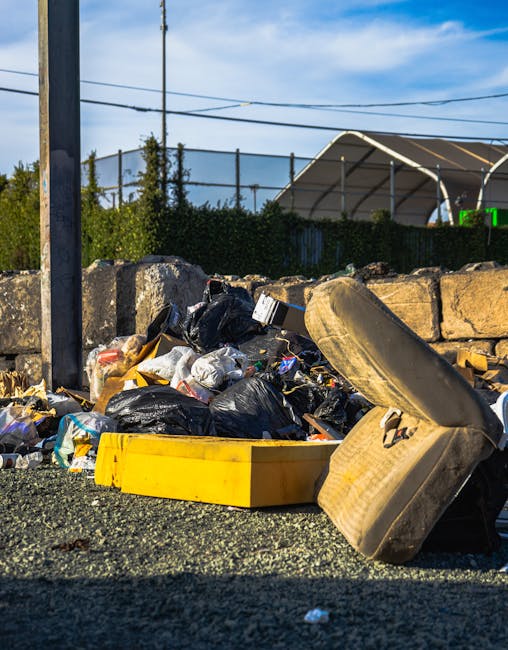
Most bulky waste problems are avoidable. The trouble is that people only realise the mistake once the item is halfway down the stairs, or worse, halfway in the van and not actually secured. Here are the common ones.
- Leaving the fridge plugged in too late. It should be unplugged early enough to defrost and dry.
- Forcing a sofa through tight spaces. If it does not fit, stop and reassess instead of damaging the walls.
- Ignoring access restrictions. Parking, loading time, and lift access matter more than people expect.
- Mixing waste types carelessly. Sofas, appliances, and builders' debris may need different handling.
- Assuming someone else will move it. Shared-building issues are one of the quickest routes to complaints.
- Booking too late. If you need the item gone before move-out or delivery day, delay is your enemy.
One of the quieter mistakes is not checking whether the item should be collected by a specialist waste service at all. A fridge with residual contents, for example, is not just heavy; it can become messy very quickly if it is not prepared properly. A sofa with infestation or heavy contamination is another story entirely. In those cases, honesty upfront is much better than a last-minute surprise.
Tools, Resources and Recommendations
You do not need a huge toolkit, but a few basic items can make the whole process easier and safer.
- Measuring tape for doorways, lifts, and sofa dimensions.
- Work gloves to reduce scrapes, splinters, and awkward grips.
- Protective blankets or covers for floors and tight corners.
- Basic screwdriver or hex key set for feet, hinges, or detachable parts.
- Tape or straps for securing fridge doors and loose sofa components.
- Cleaning cloths and absorbent materials for small spills or condensation.
For readers who prefer to leave the heavy lifting to professionals, it is sensible to compare services based on clarity, not just price. Look for straightforward communication about access, removal time, item type, and what happens after collection. If you want a sense of how pricing is typically handled, the pricing and quotes page can help set expectations before you book.
It is also worth checking practical support pages such as insurance and safety and about us if you want reassurance about how a company operates. Not glamorous reading, admittedly, but useful. Sometimes the boring pages are the most important ones.
Law, Compliance, Standards and Best Practice
Bulky waste disposal in London sits within a framework of common-sense legal and practical expectations. The important thing is to avoid fly-tipping, unsafe lifting, and irresponsible disposal. You do not need to become a waste-law expert, but you do need to handle items in a way that is lawful and traceable.
For householders and businesses, the basic best-practice points are straightforward:
- Do not abandon bulky items on pavements, in common parts, or near bins without arrangement.
- Separate hazardous or awkward items if they need special handling.
- Use reputable collection routes that can describe where waste goes next.
- Keep records where relevant for business or landlord disposal decisions.
- Follow building rules on access, loading, and storage in shared areas.
For commercial settings, there is extra value in using a process that is documented and easy to explain later. That is especially true when offices, managed blocks, or development sites are involved. Responsible waste handling is not only about compliance; it is also about trust. And in a city like London, trust travels quickly.
Where safety is concerned, handling a fridge or a heavy sofa in a staircase environment should be treated as a manual handling job, not a casual lift-and-hope exercise. If there is any doubt about weight, access, or stability, getting professional help is the sensible option.
Options, Methods, or Comparison Table
There is no single best method for every bulky waste job. The right choice depends on item condition, urgency, access, and how much time you want to spend managing the process.
| Method | Best for | Pros | Watch-outs |
|---|---|---|---|
| Reuse or resale | Good-condition sofas or working fridges | Can reduce waste and may recover value | Takes time, photos, messaging, and arranging collection |
| DIY disposal | Small jobs with easy access and transport | Direct control, sometimes lower cost | Lifting risk, van access, and time pressure |
| Private bulky waste collection | One-off sofas, fridges, or a few large items | Convenient, quicker, less physical effort | Needs clear access details and proper scheduling |
| Full clearance service | Moves, refurbishments, probate, or multiple rooms | Efficient for larger clear-outs, less coordination | May be more than you need for a single item |
If you are dealing with a sofa and fridge at the same time, a combined collection is often the most practical choice. If there are other leftover items too, think beyond the single item and consider whether rubbish collection in Marylebone or a fuller removal service would save you repeat effort.
Case Study or Real-World Example
A typical W1 scenario goes like this. A couple is moving out of a flat near a busy central street. They have one worn sofa, one old fridge, and a few extra odds and ends in the kitchen. The sofa is too bulky for comfortable solo lifting, and the fridge has to be emptied, defrosted, and moved through a narrow hallway with a turn that looks simple until you stand there with a tape measure and a sense of regret.
Rather than trying to break the job into several mini-jobs, they measure the access, clear the route, photograph the items, and arrange a single collection. The fridge is unplugged in advance so it can dry properly. The sofa's loose cushions are removed, and the feet are detached. On collection day, the route is already prepared, the communal area stays tidy, and the items are removed without drama. No chipped skirting, no awkward shouting down the stairwell, no mystery scrape on the wall.
What made it work was not luck. It was sequence. A bit of planning, a realistic idea of the item sizes, and a disposal route that matched the building, the timing, and the volume of waste. That is the main lesson, really. Not every bulky item needs a big solution, but every bulky item needs a proper one.
Practical Checklist
Use this before you book or move anything. It keeps the job tidy and reduces unpleasant surprises.
- Measure the sofa or fridge, including any removable parts.
- Check whether it fits through doors, lifts, and stair turns.
- Empty the item fully and remove loose contents.
- Unplug fridges early enough for defrosting and drying.
- Remove cushions, feet, shelves, or other detachable parts.
- Protect floors, walls, and corners along the exit route.
- Confirm where the waste will go after collection.
- Group other unwanted items together if that saves time.
- Check building access, parking, and timing restrictions.
- Keep hallways and shared areas clear while the item is being moved.
Practical takeaway: if your bulky item needs more than one person to move safely, and the route out is not generous, it is usually cheaper in stress terms to plan a proper collection than to improvise on the day.
Conclusion
Dealing with bulky waste in W1 does not have to be complicated, but it does need a bit of thought. Sofas and fridges are the two items people most often underestimate: one is awkward and soft, the other is heavy and rigid. Put them together in a narrow central London property and you have a logistics problem, not just a rubbish problem.
The best approach is simple: measure first, prepare properly, choose the right disposal route, and think about safety before speed. If the item is in good condition, reuse might make sense. If not, a responsible collection or clearance option can save time and avoid damage. And if you are handling several items or a whole flat, a broader removal plan is often the calmest way through.
Get a free quote today and see how much you can save.
When bulky waste is handled well, a room stops feeling blocked and starts feeling usable again. That bit of breathing space can be a relief all by itself.

Copyright © . House Clearance Marylebone. All Rights Reserved.